Schedule your Carlsbad and Rancho Bernardo Auto Injury and Car Accident, or Personal Injury Chiropractic visit today!

Get back to doing the activities you love and take control of your health!

Auto Injury Car Accident Chiropractic Health Services

Grant Chiropractic Health Services specializes in Auto Injury and Car Accident related chiropractic treatment and adjustment care. As a trusted chiropractor in Carlsbad and Rancho Bernardo, our chiropractic adjustments include Movement Based Soft Tissue Therapy, and customized auto injury and car accident rehab for conditions like migraine headaches, sciatica, whiplash, lower back and neck pain, carpal tunnel ailments and many auto injury and car accident related injuries.

Our Chiropractic Offices are conveniently located in two North County San Diego locations, in Carlsbad California at 1850 Marron Rd, Carlsbad Ca. 92008, and Rancho Bernardo at 16766 Bernardo Center Dr #112, San Diego, CA 92128.

You can reach our friendly receptionist at 619-787-5755 to book Chiropractic treatments and physical health services at either location.

Dr. Grant provides personalized care focused on helping you get out of pain and move better fast, especially after an automobile accident and car crash injury!

Chiropractic Auto Injury and Car ACCIDENT Treatment Care

Initial Exam (30 min): A comprehensive evaluation designed to get to the root of your auto injury and car accident pain symptoms. This session includes a full movement assessment, posture analysis, and targeted orthopedic testing. When appropriate, your first visit may also include chiropractic adjustments and ART (Active Release Technique) to begin relieving tension and restoring mobility right away. You’ll leave with a clear plan tailored to your goals.

Follow-Up Chiropractic Treatment (15 min): A focused, efficient visit designed to keep you moving and out of pain. Each session may include chiropractic adjustments along with Movement Based Soft Tissue Therapy to address muscle tightness, improve joint function, and reduce discomfort. Perfect for maintenance care or quick relief between workouts and daily activities.

1-1 Rehab session (30min): A personalized rehab session focused on building strength, stability, and long-term resilience. You’ll work one-on-one through corrective exercises tailored to your condition, helping you fix the root cause—not just the symptoms. Ideal for injury recovery, performance improvement, and preventing future flare-ups.

Corrective Care Session (45min): The most comprehensive, results-driven option. This session combines chiropractic adjustments and Movement Based Soft Tissue Therapy with guided rehab exercises in one seamless visit. You’ll get pain relief, improved mobility, and a clear path toward long-term strength and stability—all in one session. Best for patients who want faster results and a more complete approach to care.

Chiropractic Auto Injury and Car Crash Adjustment Treatments

Chiropractic Adjustments

A chiropractic adjustment is a safe, drug-free, non-invasive therapeutic treatment where a licensed chiropractor uses their hands or specialized instruments to apply controlled, sudden force to a joint, usually in the spine. It is designed to reduce pain, improve physical function, and increase range of motion by correcting alignment.

Key Aspects of Chiropractic Adjustments:

•What it Treats: Often used for low back pain, neck pain, headaches, and joint dysfunction.

•How it Works: It addresses “fixated” or restricted joints by improving their motion and relieving pressure on surrounding nerves and muscles.

•The “Pop”: The cracking or popping sound, often heard during the adjustment, is the release of gas bubbles from the fluids around the joints.

•Types of Techniques: Common methods include the Diversified Technique, Gonstead adjustment, Thompson Drop-Table, and the Activator Method.

•What to Expect Post-Adjustment: While many experience immediate relief, some people may feel temporary soreness, fatigue, or headache as the body adjusts, often referred to as a “healing crisis”.

•Frequency: Frequency varies from as-needed for acute pain to monthly for maintenance and posture improvement.


Benefits of Chiropractic Adjustments:

•Pain Reduction: Decreases pain in the back, neck, and joints.

•Increased Mobility: Restores proper motion to restricted joints, enhancing flexibility.

•Improved Function: Aligns the spine to improve overall bodily function and reduce nerve pressure.

•Better Posture: Helps improve posture and alignment.

For more information on how chiropractic treatment helps treat both acute and chronic conditions you can reach our friendly receptionist at 619-787-5755 or make an appointment online today at Grant Chiropractic Corp.

BCE Org.

Joint Mobility

Known as a joint manipulation/mobilization, restores proper motion to joints that don’t move as well as they should. The doctor will put a quick low force into the joint in the direction of the motion restriction and a “pop” sometimes will occur followed by pain-free movement. This is the most common evidence-based Chiropractic treatment used by all practitioners.


Corrective Floor Exercises

One thing that sets chiropractors apart from other healthcare professionals is their holistic view of the body. Instead of dividing the body into its various systems and functions, the chiropractic profession views the body as a whole with each system being mutually dependent on the other.

It has been shown through various studies that corrective exercise can increase the benefit you receive from your adjustments by as much as 25-45%. These benefits can include; quicker recovery time, fewer visits to the doctor, and a lower chance of the injury occurring again. The following are some corrective exercises:


Partial Sit Up:
Since many people suffering from a recent back injury are limited in the number and types of exercises they perform, a partial sit-up can be a good starter. This exercise provides a lower level of stress and motion than what is involved with a full sit-up. This exercise will help increase the strength throughout your abdominal muscles and as a result remove some of the stress on your low back.

1.Lie flat on your back on a firm surface with your knees and hips bent.

2.Cross your arms across your chest as if you are giving yourself a hug.

3.Now raise your neck and shoulders off the floor, avoiding lifting your hips and low back. 6-10 inches should provide enough elevation.

4.Hold this position for five seconds per lift and then slowly return to the floor.

5.When you first begin these exercises, you may only be able to do 5 or 10 at a time. The overall goal should be to reach around 60 total partial sit-ups per day.


Hip Roll:
Another good exercise to increase the strength of your abs, particularly the outer ones, is the hip roll. This exercise also involves a fairly low stress level.

1.Lie flat on your back on a hard surface with your arms extended to your signs and your legs straight so that you form the letter T.

2.Next, while keeping your knees close together bend them so that your feet are brought close to your buttocks.

3.While holding this position, twist your abs and knees from side-to-side, attempting to form a 45 degree angle with the floor.

4.Your shoulders and head should remain flat during this exercise.

5.Hold each position 5-10 seconds, return to center, and then twist in the opposite direction and hold.

6.This exercise should be performed for 10 repetitions, twice a day.


Lumbar Extension:
This exercise is aimed at improving posture through the strengthening of the muscles that are responsible for keeping us positioned. Through this mechanism, this exercise has also been shown to provide benefit for people suffering from sciatica.

1.You will begin this exercise lying on your stomach with your legs straight and your arms down your sides towards your feet. Make sure that your toes are pointing down towards the floor.

2.Once in this position, raise your chest and head off the floor without bending your neck back.

3.Take a deep breath in and hold while maintaining this position for 3-5 seconds

4.Release this breathe while slowing returning to the floor and the starting position.

5.This maneuver should be performed for 10 repetitions, twice a day.


Cat-Cow:
Through providing strength and support throughout your entire abdominal core, the cat-cow has been described as one of the best exercises for providing relief of low back pain.

1.The starting position for this exercise is on your hands and knees like a cat. Make sure that your knees are below your hips and your hands are directly below your shoulders.

2.After getting into this position, tighten your abdominal muscles to engage them and prepare them for the exercise.

3.The upward phase of this exercise resembles a startled cat. Take a breath in, while tucking your tail bone towards the floor and lifting your spine towards the ceiling. Hold this position for approximately 10 seconds.

4.After returning to neutral, using your core muscles, allow your stomach to move towards the floor increasing the arch in your low back. This position will be held for another 10 seconds before returning to neutral.

5.This exercise should be performed for 8 repetitions, twice a day.


Superman:
The superman exercise is a good way for a variety of people ranging from beginners to higher level exercises to begin to build both abdominal and low back strength.

1.Begin by lying face down flat on the floor with your legs straight and your arms extended straight above your head.

2.For starters, attempt to raise either one of your arms or one of your legs approximately 5 inches off the floor and hold for 8 seconds.

3.As you become more familiar and comfortable with the exercise, begin to try to raise both hands or both feet off the floor.

4.Finally, the most advanced stage involves lifting both hands and both feet simultaneously off the floor and holding.

5.This exercise should be performed in sets of 10 repetitions, 3 times a day.


Double Leg Lifts:
Unlike the other exercises, this exercise involves the use of an exercise ball.

1.To perform this exercise, place the exercise ball on a flat and stable surface.

2.Lie on the ball with your stomach touching.

3.Stabilize yourself with both hands touching the floor in front of you.

4.Once stable, attempt to raise both feet and legs behind you until they are horizontal with the floor.

5.Hold this position and repeat this exercise 10 times per set.


Spinal Rotation Exercise:
This exercise is performed to increase motion throughout the spine while increasing the strength of the abdominal and low back musculature.

1.Begin this exercise while sitting in a firm backed chair.

2.Reach one arm across your chest as if you were pointing the opposite direction.

3.Use this arm to grab ahold of the other side of the chair and rotate our lumbar and thoracic spine.

4.Hold this position for approximately 25 seconds and repeat the other directions.

5.This exercise should be performed for 5 repetitions per set and once daily.


External Shoulder Rotation:
This exercise is designed for people with shoulder instability and weakness. It is also a good exercise to perform to help reduce the symptoms of frozen shoulder.

1.Begin this exercise standing with the palms of your hands towards the ceiling. Make sure that you keep your upper arms close to your sides.

2.Maintain this position, attempt to bring your hands backwards as if you were pinching your shoulder blades together.

3.Hold this position for about 5-10 seconds and then return to neutral.

4.This exercise should be performed for 10 repetitions per set, twice daily.


Lateral Deltoid Raise:
This exercise has been shown to be beneficial for people suffering from shoulder pain, weakness, or loss of motion. The starting position for this exercise is particularly important.

1.To begin, have your arms close to your legs with your palms facing in towards each other.

2.Tighten your abdominal muscles and bend your knees slightly as if you were beginning to sit in a chair.

3.Slowly and carefully raise your arms to the level of your shoulders, hold for 5 seconds, and return to the starting position.


Front Deltoid Raise:
This exercise is useful for strengthening the front portion of your shoulders. While this is a good beginner exercise, only perform an exercise to the point where it is pain free.

1.Begin the exercise standing, with your feet shoulder width apart.

2.Place both of your arms in front of you with the palms on the front of your thighs.

3.Just as with the lateral deltoid raise, tighten your abdominal muscles and bend your knees slightly as if you were beginning to sit in a chair.

4.However, this time you are going to raise both arms out in front of you to the level of the shoulders, hold for 5 seconds, and return to your legs.


Exercise Ball Push Up:
This push up exercise has been shown to be useful in strengthening everything from your chest to your abs and even your upper arms. Be careful when performing this exercise because not only does it help with building strength, it also contributes to balance.

1.To start this exercise, place the exercise ball underneath your stomach as you face the floor.

2.Roll yourself forward placing both your hands on the floor until the exercise ball is beneath your shins.

3.Keep your back straight as you position yourself for this exercise.

4.Lower your upper body to the floor as if you were doing a normal push-up, hold for 3 seconds, than raise to starting position.

5.Perform 10 repetitions per set, twice a day.


Side Bridge Crunch:
Like many of the other exercises, this one is useful in strengthening both the back and abdominal musculature. This exercise is useful for beginners because it has multiple avenues to increase difficulty.

1.Begin by lying on your side with your legs straight and stacked on top of one another.

2.To start, make sure that your elbows are positioned directly below your shoulders, and rest your elbows on the floor.

3.Once in this position, lift your hips towards the ceiling avoiding any rotation forward or backward.

4.Return to the starting position and repeat.

5.This exercise should be performed for 10 repetitions on each side, twice a day.


Crunch:
This exercise should be performed on a stability ball which has been shown to increase its effectiveness by nearly 35%. This maneuver is designed to target the abdominal musculature which results in less stress being placed on the spine.

1.Begin this exercise with your back flat on the exercise ball and your hands on the back of your head. Your feet should be flat on the floor with your knees bent.

2.While taking a deep breath in, contract the abs, and raise your shoulders up until you feel all of the musculature contract.

3.Hold this position for 5 seconds and then return to neutral.

4.This exercise should be performed with 10 repetitions, twice daily.


Neck Flexion Exercise:
Neck flexion exercises are useful for strengthening the muscles on the front of the neck and as a result improving posture.

1.Begin by lying flat on your back with arms along your side and your legs straight.

2.While keeping your chin tucked and avoiding protruding your chin forward, raise your head off the floor. Your shoulders shouldn’t leave the floor during this procedure.

3.Hold this position for 10-20 seconds and then slowly and with control return to neutral.

4.This exercise should be performed periodically throughout the day.


Neck Extension Exercise:
This exercise is a good way to give relief to your neck musculature while sitting at a desk at work.  As the muscles become stronger, the chance for injury is decreased. It is important to note that this exercise shouldn’t cause any dizziness, pain or loss of balance.

1.While in the standing position, place your arms at your side and legs shoulder width apart.

2.Bring your neck back so that you are looking at the ceiling.

3.When assuming this position, make sure not to arch your back or bend your knees.

4.Hold this position for 5 seconds and return.

5.Repeat this exercise periodically throughout the day.


BCE Org.
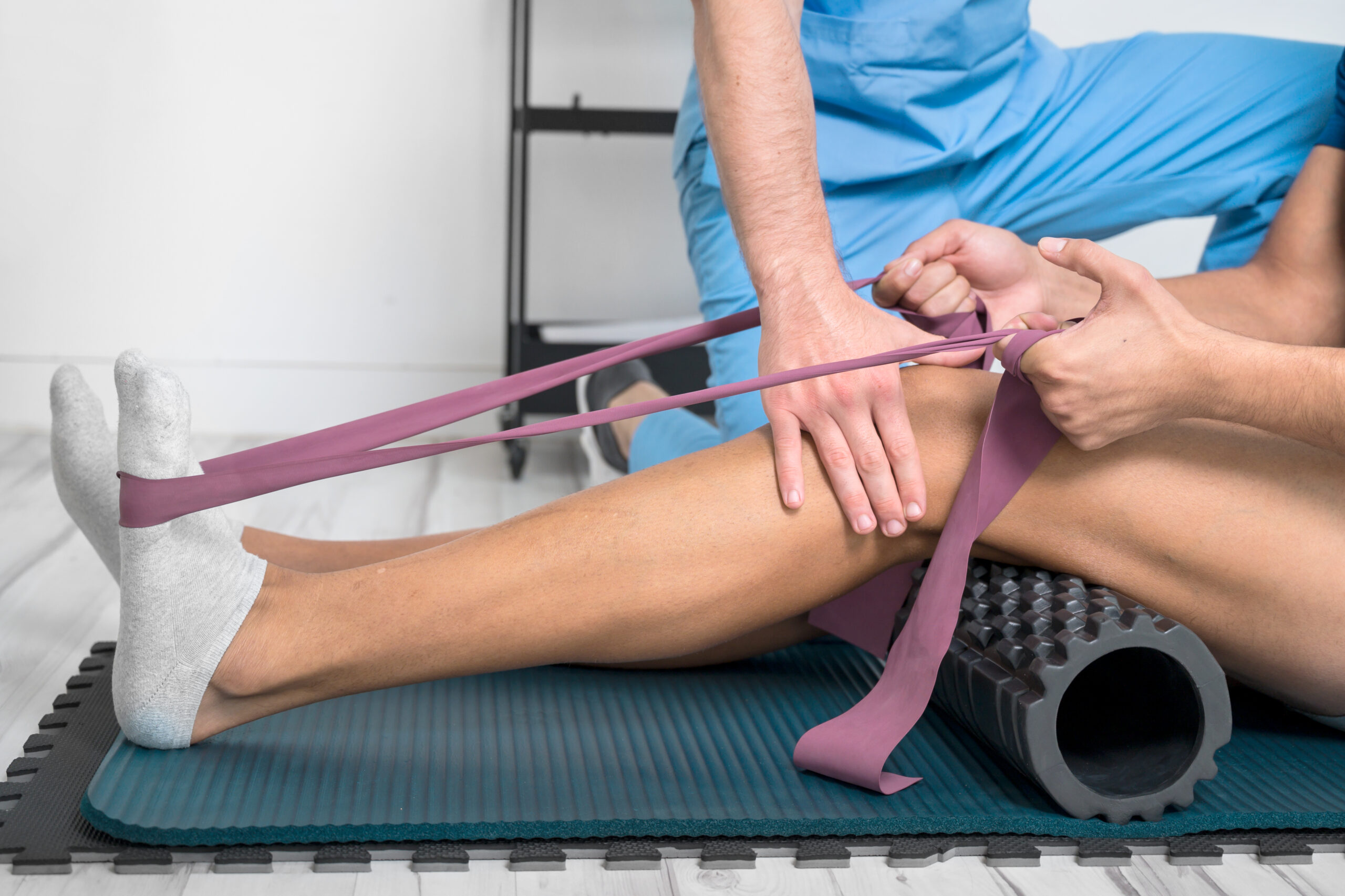
Extensive Manual Chiropractic Therapy

This form of physical therapy takes a hands-on approach rather than using devices or machines. When a chiropractor uses their hands during manual therapy, they apply pressure on the muscle tissue and maneuver the joints in an effort to reduce pain associated with muscle tension, muscle spasm and joint dysfunction.


Movement Based Soft Tissue Therapy

Manual therapy that focuses on treating soft tissue conditions such as muscles, ligaments, tendons, fascia, and nerves. Non-invasive, patient-centered approach that aims to relieve pain, improve function, and restore mobility. It is a popular choice in the field of physical therapy for its unique approach to treating musculoskeletal disorders.

What Does Movement Based Soft Tissue Therapy Treat?
Soft tissues can develop adhesions, scar tissue, and tension due to overuse, trauma, or other factors. These issues can lead to pain, reduced range of motion, and impaired performance.

Benefits of Movement Based Soft Tissue Therapy

Pain Relief
One of the primary benefits is its ability to alleviate pain. By releasing tension in the soft tissues, patients often experience immediate relief from discomfort—whether due to a sports injury, repetitive strain, or a chronic condition like carpal tunnel syndrome.

Improved Mobility
This treatment helps restore flexibility and range of motion by breaking down adhesions and scar
tissue that restrict movement. This makes it an excellent choice for athletes as well as individuals looking to regain their full range of motion after an injury.

Enhanced Performance
For athletes and fitness enthusiasts, this treatment can be a game-changer. It not only aids in recovering from injuries but also helps prevent them by keeping soft tissues in optimal condition. Improved muscle function leads to better performance.

Non-Invasive
It is a non-invasive treatment option, making it suitable for patients who prefer to avoid surgery or medication. This type of therapy is also gentle, resulting in minimal discomfort during and after the session.

Quick Recovery
Due to its targeted approach, Movement Based Soft Tissue Therapy can often lead to faster recovery times. Many patients experience significant improvements in just a few sessions, allowing them to return to daily activities sooner.

Versatility
Movement Based Soft Tissue Therapy can be used to address a wide range of soft tissue conditions, including tendonitis, carpal tunnel syndrome, plantar fasciitis, and more. Its adaptability makes it a valuable tool in the physical therapy toolbox.


Myofacial Release

Myofascial release (MFR) techniques are manual therapies designed to alleviate pain and improve mobility by applying sustained, gentle pressure to release tension in the fascia (connective tissue). Techniques include direct, indirect, and self-massage methods using tools like foam rollers, targeting trigger points to restore flexibility.

Core Myofascial Release Techniques

•Direct Myofascial Release (Deep Tissue): A practitioner applies, direct, firm pressure (using knuckles, elbows, or hands) directly to the restricted fascia, moving slowly through tissue barriers until the tension releases.

•Indirect Myofascial Release (Light Touch): A gentler, “light touch” technique where the practitioner follows the body’s natural tissue patterns to release restrictions.

•Trigger Point Therapy: Identification and sustained pressure on specific, tender “knots” to reduce sensitivity and improve blood flow.

•Cross-Hand Release: A technique where practitioners place hands on opposite sides of a restricted area and pull in opposite directions to stretch and soften the tissue.

•Skin Rolling: A technique where the skin and superficial fascia are lifted and rolled to break adhesions between the skin and muscle layer.

Self-Myofascial Release (SMR) Tools & MethodsIndividuals can perform SMR to manage pain and improve mobility between professional sessions:

•Foam Rollers: Used to apply broad, deep pressure across large muscle groups like the back, glutes, and thighs.

•Massage Balls/Lacrosse Balls: Targeted tools for smaller, precise areas (e.g., glutes, shoulders) to release specific, deep adhesions.

•Massage Sticks/Rollers: Handheld devices allowing for controlled, targeted pressure on muscles like the calves or quads.

•Massage Guns: Used for percussion therapy to break down adhesions and increase blood flow.

Key Principles and Benefits

•Sustained Pressure: Fascia requires a slow, sustained stretch (often 90 to 120+ seconds) to fully elongate and release.

•No Oils/Lotions: MFR is performed directly on the skin to ensure a proper grip for stretching the fascia, rather than just gliding over it.

•Improved Mobility: MFR helps improve overall posture and range of motion while decreasing pain associated with chronic conditions.

BCE Org.

Plyometrics

Plyometrics, or “jump training,” are high-intensity exercises designed to increase muscular power, speed, and explosive strength by forcing muscles to exert maximum force in short intervals. These movements utilize a rapid stretch-shortening cycle (stretching a muscle before contracting it) to build power, often involving jumping, hopping, or throwing.

Key Aspects of Plyometrics:

• Goal: To bridge the gap between speed and strength, training the nervous system and muscles to produce faster, more explosive movements.
• The Mechanism: Plyometrics typically require a takeoff and landing to occur in less than a quarter of a second, making them highly reactive.
• Fast-Twitch Muscle Focus: These exercises target fast-twitch muscle fibers, which are essential for speed, jumping height, and power.
• Applications: Common in sports like basketball, soccer, and tennis, it is also used for rehabilitation to improve stability and power.

Common Examples of Exercises:

• Jump Squats/Box Jumps: Jumping onto or off platforms.
• Pogo Hops: Quick, small jumps focusing on ankle reactivity.

• Burpees: Full-body, explosive movements.
• Medicine Ball Throws: Explosive upper body movements.
• Depth Jumps: Stepping off a box and immediately jumping upon landing.

Benefits of Plyometric Training:

• Improved Athletic Performance: Increases jump height, sprinting speed, and agility.
• Increased Power: Combines strength and speed for better, faster movements.
• Improved Efficiency: Helps athletes and runners reduce fatigue by improving energy usage.
• Enhanced Proprioception: Increases body awareness and stability.

Safety Guidelines for Beginners:

• Start Slow: Focus on proper landing techniques—landing softly and bending the knees to avoid injury.
• Frequency: Only do 1–3 sessions per week to allow for recovery.
• Surface: Perform exercises on a forgiving surface, such as grass or a rubber floor, rather than concrete.

Disclaimer: Because plyometrics are high-impact, it is important to check with Dr. Grant if you are not currently active or have health issues.

BCE Org.

Massage Therapy

Nearly one-quarter of American adults received a massage from a massage therapist in the last year, and close to 90% of those that got a massage did so to relieve pain. Our on site massage therapist at Grant Chiropractic Corp in Rancho Bernardo and Carlsbad, California, is an expert at using massage for pain management, as part of injury rehabilitation, and to improve your overall health. Call or make an appointment online today to get rid of your aches and pains.

What is massage?
Massage is the general term associated with light stroking to deep pressure performed through pressing, rubbing, and manual manipulation of your soft body tissues, including your:

  • Skin
  • Muscles
  • Tendons
  • Ligaments
  • Connective tissue

Massage is a clinically-oriented health care option that enhances your health and well-being by alleviating the discomfort associated with stress, muscular overuse, and chronic pain conditions.


What are the benefits of getting a massage?
Many people enjoy massage because it often produces feelings of caring, comfort, and connection as getting a massage increases blood flow in the areas of your brain associated with mood and stress regulation. Massage helps improve your quality of life, and can especially help if you suffer from depression, cancer, or HIV/AIDS. Massage benefits include:

  • Reduced physical and emotional pain
  • Relief from depression
  • Improved immune system function


What are the different types of massage?
There are three common types of massage: Swedish, deep tissue, and sports.

Swedish Massage:
Swedish massage is a type of manual therapy that improves your circulation by rubbing your muscles together in the same direction as blood flows to your heart. Swedish massage emphasizes long strokes, kneading, and friction motions to relieve muscle tension, stretch tight ligaments, and reduce your emotional stress.

Deep Tissue Massage
Deep tissue is an umbrella term for the type of massage that helps release chronic aches and pains. It involves working your muscles and connective tissue deeply. The massage therapist presses hard on areas of your body where your muscles feel stiff or painful.

Sports Massage:
Sports massages get adapted to your needs as an athlete to help you pain-free as you train and compete. They use a number of techniques, including:

  • Compression
  • Pressure point therapy
  • Cross fiber friction
  • Joint mobilization
  • Hydrotherapy
  • Cryotherapy


This blend of Swedish and deep tissue massage is designed to meet the unique needs of high-level performers and fitness enthusiasts to prevent injury, keep your body flexible, and help hasten your recovery if you do get injured.


When you get a massage at Grant Chiropractic Corp, they use a blended style of Swedish, deep tissue, and sports massage, so you get the benefits of all three types of massage.

For more information on how massage therapy helps treat both acute and chronic conditions you can reach our friendly receptionist at 619-787-5755 or make an appointment online today at Grant Chiropractic Corp.

BCE Org.

Rehabilitative Exercises

Rehabilitation exercises are targeted movements designed to restore function, strength, and mobility following injury, surgery, or chronic pain. Common at-home exercises include bridges for glutes, clamshells for hip stability, heel slides for knee mobility, and shoulder blade squeezes for posture. These exercises safely progress from gentle mobility to strength training.

Common Rehab Exercise Categories & Examples:

•Mobility & Flexibility: Heel slides, hamstring stretches, and cat-cow stretches improve joint range of motion.

•Strength & Stability: Bridges, clamshells, calf raises, and seated marching target weak areas and support joints.

•Core & Back Rehab: Bird dogs, planks, and pelvic tilts safely stabilize the spine.

•Upper Body Rehab: Wall slides and rows with resistance bands improve scapular function.


Commonly Targeted Areas:

•Knee/Hip: Quad sets, clamshells, straight leg raises, and squats.

•Lower Back: Cat-cow, windmills, and abdominal bracing.

•Shoulder: Internal/external rotation and prone horizontal abduction.


Tips for Success:

•Consistency: Daily “movement snacks,” such as short walks or gentle stretches, are often recommended.

•Progression: Exercises should evolve, often starting with bodyweight and progressing to bands or light weights.

•Safety: Do not push through sharp pain; rehab should focus on control rather than speed.

Disclaimer: Consult a physical therapist or healthcare provider to develop a personalized exercise plan.

For more information on how rehabilitative exercises and chiropractic treatment helps treat both acute and chronic conditions you can reach our friendly receptionist at 619-787-5755 or make an appointment online today at Grant Chiropractic Corp.

BCE Org.

Drop Table Adjustments

A chiropractic drop table is a specialized adjusting table featuring segmented, cushioned platforms that lift slightly and drop a short distance (approx. 1/2 to 1 inch) during an adjustment. Using gravity and a small amount of, this mechanism allows for gentle, precise spinal, pelvic, or extremity adjustments without high-force, “cracking” motions.

Key Features and Benefits:

•Gentle Technique: Ideal for patients uncomfortable with traditional “high-velocity, low-amplitude” (cracking) adjustments, or for those in acute pain.

•Targeted Precision: Commonly used in the Thompson Terminal Point Technique, the table has specific drop pieces for the cervical, thoracic, lumbar, and pelvic areas.

•Less Effort for Chiropractor: The mechanism reduces the amount of force the practitioner needs to apply, protecting the doctor from fatigue.

•”Drop” Action: As the chiropractor applies a quick thrust, the table segment drops, helping to move the joint while the patient is in a comfortable, neutral position.

Common Drop Table Types:

•Stationary Drop Table: A solid, standard table often used in chiropractic offices with manual or pneumatic drop mechanisms.

•Portable Drop Table: Lightweight, foldable tables like the ChiroLux Pro, designed for mobile practitioners.

•High-Low Drop Table: An electric table that adjusts in height for better patient access and practitioner ergonomics.

BCE Org.

The Activator Chiropractic Method

The Activator Method is a gentle, low-force chiropractic technique using a handheld, spring-loaded instrument (the Activator) to deliver fast, precise impulses to the spine or extremities. It serves as a popular alternative to traditional “hands-on” high-velocity, low-amplitude (HVLA) cracking or popping adjustments.

Key Aspects of the Activator Technique:

•How it Works: The device delivers a quick, controlled thrust faster than the body’s muscles can tense in response, reducing resistance and pain.

•Precision & Comfort: Ideal for patients who prefer a gentler approach, seniors, or those with osteoporosis, as it avoids twisting or bending.

•Usage: Used for back pain, neck pain, headaches, and extremity complaints.

•Prevalence: It is one of the most widely used techniques, with roughly half of US chiropractors employing it.

•Effectiveness: It is considered an evidence-based technique with research supporting its efficacy in managing musculoskeletal conditions.

The method often includes a specific protocol for checking spinal alignment, sometimes involving leg length analysis to identify areas needing adjustment.

BCE Org.

The Graston Technique

Dr. Grant uses this type of instrument-assisted soft tissue mobilization for injury recovery. At Grant Chiropractic the Graston Technique is applied for patient recovery by Dr. Grant and his massage therapists, occupational therapists, osteopathic physicians and physical therapists.

The technique was founded by an amateur water-skiing athlete who suffered a debilitating knee injury. Upset by the rehabilitation success rate after having surgery and conventional therapy, he consulted with healthcare professionals and used his professional background in machining to create the instruments. The technique was patented in 1994.


How does it work?
The Graston Technique is a manual therapy that uses stainless steel instruments to perform muscle mobilization. The tools are used in two ways: 

1.Practitioners move the instruments over the skin to find any muscle knots, fibrous tissue or scar tissue that can cause the patient pain or restrict movement.

2.After identifying the muscle knot or tissue, practitioners use the tools to disperse it, which rehabilitates function and mobility.

To see significant results from the technique may take anywhere from six to 12 treatments. Your provider can tell you how long your treatments will last and how soon you will see improvements. It all depends on what condition you’re trying to treat, and how severe your symptoms are.


What are the benefits?
The benefits of using the Graston Technique include:

•Pain relief

•More mobility in soft tissue

•Fewer mobility restrictions in fibrous tissue

•Fewer muscle spasms

•Increased blood circulation to tissues

•Improved flexibility


What are the risks?
With benefits come risks. Unfortunately, not many of the benefits of this type of therapy have been subjected to rigorous scientific study. Instead, case reports or studies are performed on non-human tendons and tissue.

The risks of the Graston Technique include:

•Bruising of the skin where the treatment was performed

•Failure to provide relief

•Redness of the skin where the treatment was performed

•Spontaneous connective tissue release, which happens when scar tissue breaks away from healthy tissue

•Worsening of pain


For what types of conditions/ailments is the Graston Technique used?
Carpal tunnel syndrome is one of the many conditions the Graston Technique can be used on Carpal tunnel syndrome is a condition of the carpal tunnel, a narrow passageway of ligaments and bone that meets the median nerve and tendons. When the muscles and tendons are overused, the median nerve gets stuck in the tunnel, leading to numbness, weakness and pain in the hand and fingers.

Dr. Grant will use the Graston Technique to improve the mobility and tone of the muscles to lessen the irritation of the tendons in the tunnel.

Besides its use for carpal tunnel syndrome, the Graston Technique can also be used for:

• Ligament sprains, such as of the ankle, knee or wrist

•Myofascial pain, which can develop in any muscle in the body

•Other musculoskeletal imbalances, such as rotator cuff injuries or trigger finger

•Plantar fasciitis, which is inflammation of the tissue that connects the toes to the heel bone

•Scar tissue caused by surgery or trauma

•Tendonitis, which occurs when a tendon is inflamed


BCE Org.

Q&A: AUTO INJURY CAR ACCIDENT SYMPTOMS AND CONIDTIONS

Whiplash Auto Injury

Nearly 3 million people in the United States suffer from whiplash each year. Whiplash generally does not cause immediate symptoms, as they usually develop over time and can lead to long-lasting problems for your spine. Grant Chiropractic Corp offers expert chiropractic care if you are involved in a car accident, or hurt your head or neck in a fall or during an activity. Call or make an appointment online today to make sure your whiplash doesn’t lead to more serious problems.

Whiplash Q&A

What is whiplash?
Your neck is flexible and supports the full weight of your head. That flexibility makes your neck vulnerable to injury, particularly whiplash. When high-impact activities cause your neck and head to be forced backward and then forward, whiplash occurs. This lightning-quick motion puts the cervical spine through extreme stress.

Neck discomfort ranging from mild tingling to agonizing pain is the most common symptom associated with whiplash. Other symptoms include:

  • Neck stiffness and instability
  • Reduced range of motion
  • Shoulder pain
  • Upper back pain
  • Headache
  • Tingling, weakness, or numbness that radiates into your shoulder and down your arm

How is whiplash diagnosed?
In order to diagnose your whiplash, Dr. Grant will ask you questions about your injury, including:

  • How the injury occurred
  • Where you feel pain
  • Whether the pain is dull, shooting, or sharp


A physical exam enables him to check your range of motion and find areas of tenderness.

How is whiplash treated?
In order to treat your whiplash, Dr. Grant uses a number of different techniques, including:

Chiropractic Adjustments
The doctors use a variety of specific adjustive techniques and will tailor-make an adjustment for you depending on your needs and your request.

Pettibon System
The Pettibon System includes a neck traction that re-establishes normal curvature in both your cervical and lumbar spines. It’s painless and easy.

Denneroll
Denneroll is a pillow-like orthotic device engineered with curves, angles, and ridges designed for a low-stress, comfortable treatment that restores the curves in your neck.

Spinal molding fulcrums
Spinal molding fulcrums are specifically designed foam wedges. Dr. Grant uses them for posture correction and spinal curve rehabilitation. Spinal molding fulcrums are a support system that gradually remolds your spine, including its supporting musculature and connective tissue, to restore its proper curvature and reduce the daily effects of forward head posture.


To get help controlling pain and restoring the normal range of motion so you can return to your normal activities reach our friendly receptionist at 619-787-5755 or make an appointment online today at Grant Chiropractic Corp.

Sciatica is leg pain that ranges in severity from a feeling similar to a bad leg cramp to unbearable pain that shoots up and down your leg and makes standing or sitting nearly impossible. If you suffer from these symptoms, Dr. Grant at Grant Chiropractic Corp in Rancho Bernardo and Carlsbad, California, offers expert chiropractic care so sciatica doesn’t interfere with your everyday life any longer. Call or make an online appointment today to learn more.

Sciatica Q&A

What is sciatica?
The sciatic nerve is the biggest nerve in your body. It controls muscles in the back of your knee and lower leg and provides feeling to the back of your thigh, lower leg, and the sole of your foot. Sciatica is a symptom of a problem with your sciatic nerve. Sciatica often causes pain, weakness, numbness, or tingling that starts in your lower back and goes into your calf or foot on one side of your body.

Other signs you may suffer from sciatica include: 

  • Weakness
  • Numbness
  • Tingling
  • Inability to bend your knee
  • Unable to move your foot and toes
  • The pain from sciatica often gets worse when you sit, sneeze, or cough.


Sciatica is not a stand-alone diagnosis. Instead, it’s a symptom of another underlying medical condition such as:

  • Herniated or slipped disc: most common cause of sciatica; causes pressure on a nerve root
  • Piriformis syndrome: a small muscle in your buttocks gets tight or spasms
  • Spinal stenosis: results from a narrowing of your spinal canal
  • Spondylolisthesis: your vertebra slips, which can lead to nerve roots getting squeezed
  • Degenerative disc disease: the discs between your vertebrae lose cushioning

How is sciatica diagnosed?
To accurately diagnose the cause of your sciatica, Dr. Grant reviews your medical history and performs a physical exam, which includes performing a number of exercises known to make sciatica worse to help verify that it’s the cause of your pain. Some of the more common activities check your muscle strength and reflexes, and include:

  • Walking on your toes or heels
  • Rising from a squatting position
  • Lifting your legs one at a time while lying on your back


How is sciatica treated?
The methods used at Grant Chiropractic Corp to relieve your sciatica include:

Chiropractic Adjustments
The doctors use a variety of specific adjustive techniques and will tailor-make an adjustment for you depending on your needs and your preference.

Invertrac®
Invertrac is a bent-knee inversion table that uses the effects of gravity on the human body to reverse tension on your spine and relieve back pain by easing pressure on your discs.

Ball exercises
Ball exercises introduce instability into basic floor exercises to help strengthen and develop your core body muscles and stabilize your spine.

Wobble seats
Wobble seats are specially-designed chairs that help with exercise motions needed for neuromuscular re-education (NMR), lumbar disc mobility, rehydration, nutrition delivery, and waste elimination.

Stabilization techniques
Stabilization techniques are strengthening exercises for the muscles that support your spine and prevent lower back pain.


For relief from the causes and symptoms of sciatica you can reach our friendly receptionist at 619-787-5755 or make an appointment online today at Grant Chiropractic Corp.

Lower Back Pain

The most common type of back pain occurs in structures that make up the lumbar region, which provides support, strength, and flexibility. In fact, when it comes to troublesome health issues, lower back pain ranks third behind heart and lung disease. Dr. Grant at Grant Chiropractic Corp in Rancho Bernardo and Carlsbad, California, offer natural relief for your lower back pain in a warm, positive, healing environment. Call or make an appointment online today.

Lower Back Pain Q&A

What is lower back pain?
Lower back pain affects a complex zone of vertebrae, discs, ligaments, tendons, muscles, and nerves that is very susceptible to injury and pain. Depending on the cause, symptoms include:

  • Pain in your lower back that worsens with prolonged sitting or standing
  • Stinging, burning pain, including numbness or tingling, that moves into your lower legs or feet
  • Muscle spasms in your back, pelvis, and hips
  • Difficulty standing, walking, or changing position

The two most common types of lower back pain are mechanical and radicular.

Mechanical back pain is the most frequently occurring type of lower back pain. You usually feel pain in your lower back and buttocks, and it changes with motion.

Radicular pain results from your spinal nerve root becoming impinged or inflamed and is typically felt on only one side of your body as a sharp, electric, burning pain associated with numbness or weakness.

Dr. Grant also classifies lower back pain into three categories based on onset and duration: acute, subacute, and chronic back pain.

Acute
Acute lower back pain comes on suddenly and lasts up to six weeks. It is considered a typical response to injury or tissue damage and gradually subsides as your body heals.

Subacute
Subacute lower back pain is prolonged, lasting up to three months, and is usually due to muscle strain or joint pain. Subacute back pain is often severe and limits everyday activities.

Chronic
Chronic back pain is severe and lasts over three months, requiring a thorough medical workup to determine the exact source of the pain.

How is lower back pain diagnosed?
Dr. Grant reviews your medical history and do a complete physical exam. 

How is lower back pain treated?
Some of the methods offered at Grant Chiropractic Corp to relieve your lower back pain include the use of:

  • Specific Chiropractic Adjustments that release pressure from the nerves and the discs, allowing proper function and neurological integrity.
  • Invertrac® (inversion table): upside-down suspension that shifts gravity and eases pressure off your back
  • Ball exercises: introduce instability into floor exercises to help prevent or minimize lower back pain
  • Wobble seats: the process of retraining your neuromuscular system
  • Strengthening exercises: makes your back stronger and less susceptible to injury
  • Spinal molding fulcrums: part of a posture correction or curve rehabilitation program to restore your spine’s proper curvature


If you need relief from your lower back pain, you can reach our friendly receptionist at 619-787-5755 or make an appointment online today at Grant Chiropractic Corp.

Pain that can cause migraines, headaches, and achy muscles in the shoulders.

Examples: Migraines, Headaches, muscle strains, Motor Vehicle Accident Injuries, Disc Herniations, Nerve Entrapments
Treatment: Spine Adjustments, ART, Rehab mobilization and strengthening

Migraine Head Aches

Migraines affect more than a billion people worldwide, causing significant, often debilitating pain that can last hours or days. If you suffer from migraines, including throbbing or pulsing pain on one side of your head, often accompanied by nausea and vomiting, Dr. Grant at Grant Chiropractic Corp in Rancho Bernardo and Carlsbad, California, offers chiropractic care that can alleviate your symptoms. Call or make an appointment online today to learn more about getting relief from your migraines.

Migraines Q&A

What is a migraine?
Migraines are intense, pounding headaches that gradually get worse with movement, activity, bright lights, or loud noises. The most common types of migraines include:

Classic migraines:
Classic migraines usually start with a warning sign, referred to as an aura. Auras often involve changes in your vision, including flashing lights, colors, a pattern of lines, or shadows. Auras last about 15-30 minutes, either just before or right as the pain begins.

A prickly or burning sensation, as well as muscle weakness on one side of your body and mood changes, also tend to accompany classic migraines.

Common migraines:
Common migraines are more common than classic migraines. They also start more slowly, last longer, and interfere more with daily activities. Auras do not accompany common migraines, and the pain tends to affect only one side of your head.

How are migraines diagnosed?
Dr. Grant has a number of methods to diagnose migraines, including analyzing the symptoms you describe and the results of a physical exam, and by having you describe your headache diary that helps identify your migraines triggers.

How is a migraine treated?
Chiropractic Treatment at Grant Chiropractic Corp involves moving, stretching, and manipulating your spine without the use of drugs or surgery to physically help reduce your body’s reaction to stress.

Dr. Grant uses a combination of spinal adjustive techniques including the Palmer Toggle method to treat subluxations that cause migraines. Many patients prefer the Palmer Toggle method because it doesn’t require a rotational movement (head turn).  

Additionally, Dr. Grant also advises you on lifestyle issues, including ways to avoid your migraine triggers through exercise, nutrition, and managing stress.


For assistance in reducing the number of migraine episodes you suffer from, as well as their intensity you can reach our friendly receptionist at 619-787-5755 or make an appointment online today at Grant Chiropractic Corp.

Herniated Disc

Also known as a slipped or ruptured disc, a herniated disc is a relatively common condition that occurs along your backbone when one of the rubbery cushions, known as discs, between the individual bones that make up your spine moves out of position and presses on adjacent nerves. If you suffer from pain, numbness or weakness in one of your arms or legs due to a herniated disc, Dr. Grant at Grant Chiropractic Corp in Rancho Bernardo and Carlsbad, California, offers a number of noninvasive treatment options. Call or make an appointment online today.


Herniated Disc Q&A

What is a herniated disc?
Your spine has bones with soft discs in between that act as cushions. These discs also keep the bones of your spine in place and allow your backbone to move so you can bend and stretch.

Overuse injuries, trauma, and age cause these discs to break down and sometimes rupture. When that happens, the soft, jelly-like center pushes out and against either a nerve or your spinal cord, causing pain.

Herniated discs most commonly occur in the lower part of your backbone and your neck.


How is a herniated disc diagnosed?
Dr. Grant reviews your medical history and perform a physical exam, during which he checks your back for tenderness by having you lie flat and move your legs in specific positions. To further assess your condition, they also check your:

  • Reflexes
  • Muscle strength
  • Walking ability
  • Ability to feel light touches, pinpricks, or vibrations


How is a herniated disc treated?
Once diagnosed with a herniated disc, Dr. Grant offers a number of treatment options, including:

Chiropractic Adjustments
The doctors use a variety of specific adjustive techniques and will tailor-make an adjustment for you depending on your needs and your preference.

Invertrac®:
Invertrac is a bent-knee inversion table that offers instant relief from the pain associated with a herniated disc by releasing the nerve and returning it to its normal position.

Ball exercises:
Ball exercises strengthen and develop your core body muscles to help stabilize your spine by adding instability into floor exercises. Your body automatically tries to keep you balanced on the ball and over time, the muscles you use to keep your balance on the exercise ball become stronger.

Wobble seats:
Wobble seats enable neuromuscular re-education (NMR) by:

  • Preparing your spine for further rehabilitation and strengthening
  • Rehydrating the herniated disc
  • Increases the pressure and flow of your cerebral spinal fluids
  •  

Neck wall traction:
Neck wall traction helps relieve the pain associated with herniated discs in the neck by widening the disc spaces.

Denneroll:
Denneroll is a pillow-like orthotic device that provides a gentle stretch to coax your spine and neck back into its ideal curvature.

Stabilization techniques:
Stabilization techniques strengthen the muscles that support your spine to prevent lower back pain.

Spinal molding fulcrums:
Spinal molding fulcrums are specifically designed foam wedges that Dr. Grant uses as part of his posture correction and curve rehabilitation programs.


To get compassionate care for your herniated disc today
 you can reach our friendly receptionist at 619-787-5755 or make an appointment online today at Grant Chiropractic Corp.

Carpal Tunnel Syndrome

Carpal tunnel syndrome is a repetitive motion condition that causes numbness and tingling in your hands. If you have trouble with tasks that entail doing the same thing over and over like typing or playing video games, Dr. Grant at Grant Chiropractic Corp in Rancho Bernardo and Carlsbad, California, offers expert chiropractic care to help alleviate your symptoms. Carpal tunnel doesn’t have to interfere with your work or hobbies any longer. Call or make an appointment online today.

Carpal Tunnel Q&A

What is carpal tunnel?
The carpal tunnel is a narrow passageway made up of ligaments and bones. It is found at the base of your hand and houses your median nerve that provides feeling to the palm side of the thumb and other fingers, except your pinky. The median nerve also controls some small muscles at the base of your thumb. Your carpal tunnel also houses the tendons that bend your fingers.

Carpal tunnel syndrome occurs when your median nerve gets pressed or squeezed, either from thickening of the lining of irritated tendons, or from other swelling that narrows the tube and causes the median nerve to become compressed. Carpal tunnel results in numbness, weakness, or pain in your hand and wrist. This pain occasionally travels into your arms.

How is carpal tunnel diagnosed?
To accurately diagnose your carpal tunnel syndrome, Dr. Grant reviews your medical history to discuss the duration and pattern of your symptoms, including whether or not they occur while holding a phone or newspaper, or gripping the steering wheel of your car. It’s not uncommon for carpal tunnel symptoms to wake you at night.

Additionally, Dr. Grant can perform a physical examination during which the feeling in your fingers and the strength of the muscles in your hand gets tested. One of the doctors will also bend your wrist and tap or press on your median nerve, as these actions tend to trigger symptoms.

How is carpal tunnel treated?
Once you get diagnosed with carpal tunnel syndrome, it’s essential to take steps to reduce pain and inflammation, including:

  • Frequent breaks to rest your hands
  • Avoid activities that worsen your symptoms
  • Apply cold packs to reduce swelling
  • Splinting and other conservative treatments help with mild to moderate symptoms occurring for less than ten months


Dr. Grant also uses neck traction known as the Pettibon System, which includes the use of rehabilitation tools and emphasizes spine and posture correction, nutrition, and muscular development. The Pettibon System allows you to be an active participant in your care.


If carpal tunnel is interfering with your life you can reach our friendly receptionist at 619-787-5755 or make an appointment online today at Grant Chiropractic Corp.

Caused by overload of a muscle from an external force, sometimes associated with bruising and minor to major tearing of the fibers.

Treatment: Adjustments to joints above and below the injured muscle and Strengthening of the injured muscle.

Most common pain seen in athletes and desk workers alike. Pain can range from sharp stabby joint pain, to dull achy butt pain.

Examples: IT Band Syndrome, Muscle Strains, Joint Stiffness, Labral tearing, Arthritis, Nerve pain (radiculopathy)
Treatment: Adjustments to the Hips and Low Back, ART, Rehab to address stiffness and strength deficits.

Pain in the back of the shoulder that can feel like a deep ache or throb.

Causes: Strains/tears, poor posture, poor shoulder blade control, throwing overuse
Treatment: Shoulder and Spine adjustments, ART, Rehab Strengthening

Inside or outside elbow pain that can be caused by overuse. Desk workers and racquet sport athletes alike suffer from the sharp, throbbing pain that limits their ability to grip things like their coffee mugs.

Treatment: ART, IASTM (Graston/Gua Sha), Adjustments to the elbow and shoulder, rehab to strengthen the elbow and shoulder.

Chiropractic Manual Therapy

Tight muscles can cause nagging pain and prevent you from doing the sports and activities you love to do. Working with Dr. Grant at either his Rancho Bernardo Chiropractic office, or his Carlsbad Chiropractic office, you can address these issues using proven methods such as:

Instrument Assisted Soft Tissue Manipulation (IASTM): gua sha scraping that assists in desensitizing the area to pain and break-up muscle knots.
• Pin and Stretch: Similar to Movement Based Soft Tissue Therapy where the muscle is stretched while also being massaged to promote flexibility, blood flow, and pain-relief.
• Hypervolt Massage: Hyperice Hypervolt massage gun therapy to promote blood flow and reduce pain.

An important part of Chiropractic treatment is the manual therapy because it de-sensitizes the body to pain and allows for improved pain-free movement.

Rancho Bernardo OFFICE LOCATION


CARLSBAD OFFICE LOCATION


Auto Injury Car Accident Chiropractic Health  Services